Solar Installation Airlie Beach: 2026 Pricing Guide
If you are thinking about solar installation in Airlie Beach, the most common question is simple – What will it cost?
The answer depends on a few things, but this guide gives you real figures, clear explanations, and everything you need to make a smart decision for your home or business.
All Whitsunday Electrical is a full-service electrical company based in Cannonvale, serving Airlie Beach, Proserpine, Bowen, the surrounding islands, and beyond.
As licensed Whitsundays electricians, we handle everything from everyday electrical jobs and new builds to solar and battery installations, safety inspections, and switchboard upgrades.
What Does a Solar Installation Cost in the Whitsundays?
Residential solar system installations in the Whitsundays typically cost between $5,500 and $15,000, or more, depending on system size, component quality, and your property’s specifics. The table below gives you a starting-point guide for 2026.
| System Size | Estimated Installed Cost | Best Suited For |
| 6.6kW | $5,500 – $7,500 | Average households (3–4 people) |
| 10kW | $9,000 – $12,000 | Larger homes, pool households, small businesses |
| 13kW | $12,000 – $15,000+ | High-consumption homes, home offices, small commercial |
Note: These figures are indicative ranges for quality systems using tier-one components. Your actual price depends on your roof type, energy use, and the brands you choose. A free, no-obligation quote is the most reliable way to get an accurate number.

What is Included in a Solar Installation?
A properly installed solar system is more than just panels on a roof. Here is what a quality installation covers:
- System testing and handover: Once installed, we commission the system, test it thoroughly, and walk you through monitoring its performance.
- Solar panels: We install trusted brands including Winaico and Canadian Solar, both suited to Queensland’s climate and available in fully black systems for a cleaner aesthetic.
- Solar inverter: The inverter converts the DC power from your panels into usable AC power. We work with reliable brands, including GoodWe.
- Mounting hardware and racking: Panels are fixed using certified racking designed for your specific roof type, whether that is Colorbond, tile, or a flat commercial surface.
- Electrical wiring and switchboard connection: As fully licensed electricians, we ensure that all wiring and switchboard work complies with Australian Standards and Queensland regulations.
- Grid connection paperwork: We handle the Ergon Energy application so your system is correctly approved and eligible for feed-in tariffs.
What Affects the Cost of Solar Panels in Queensland?
The cost of solar panels in Queensland varies depending on where you live, what you install, and who installs them. For homeowners considering solar panel installation in Airlie Beach, a few local factors make a bigger difference than most people realise.
Coastal and Saltwater Conditions
Salt air accelerates corrosion of low-quality components. A good local solar installer in Airlie Beach will specify panels, racking, and cabling rated for coastal environments. This protects your investment over the long term. Cheap components in a coastal climate are a cost that catches up with you later.
Roof Type and Layout
A straightforward pitched metal roof is the most cost-effective to work on. Tiled roofs, multiple roof angles, heavy shading, or heritage overlays add time and materials to any solar panel installation. Your installer should assess your roof during the quoting process, not give you a flat price without seeing it.
System Size and Your Energy Use
The right system size is one of the biggest factors in the overall cost of solar panels in Queensland. It depends on your actual electricity use, when during the day you use the most power, whether you have a pool, ducted air conditioning, or an EV charger, and whether you want to add battery storage later. An oversized system does not automatically give you a better return. A proper load assessment before installation gives you the right recommendation.
Battery Storage
Adding a battery to your solar panels increases the total cost but makes sense if you use significant power in the evenings, feed-in tariff rates are low, or you want backup power during outages, such as those caused by cyclones. Battery storage is worth a separate conversation during your solar consultation.
Which System Size Suits Your Home?
6.6 kW systems
The most popular choice for Queensland households is a 6.6kW system. It typically uses 16 to 18 panels and suits a family of three to four with moderate usage. If your quarterly power bill is around $300 to $500, this is usually a good starting point.
10 kW systems
These systems suit larger homes with ducted air conditioning, a pool, multiple occupants, or a home office. Also, a strong option for small businesses looking to cut daytime electricity costs.
13 kW systems
For high-consumption homes or small to medium-sized commercial premises, look for a 13kW system. Hospitality venues, resorts, and tourism operators across the Whitsundays use systems at this scale.
Why Use a Local Whitsundays Solar Installer?
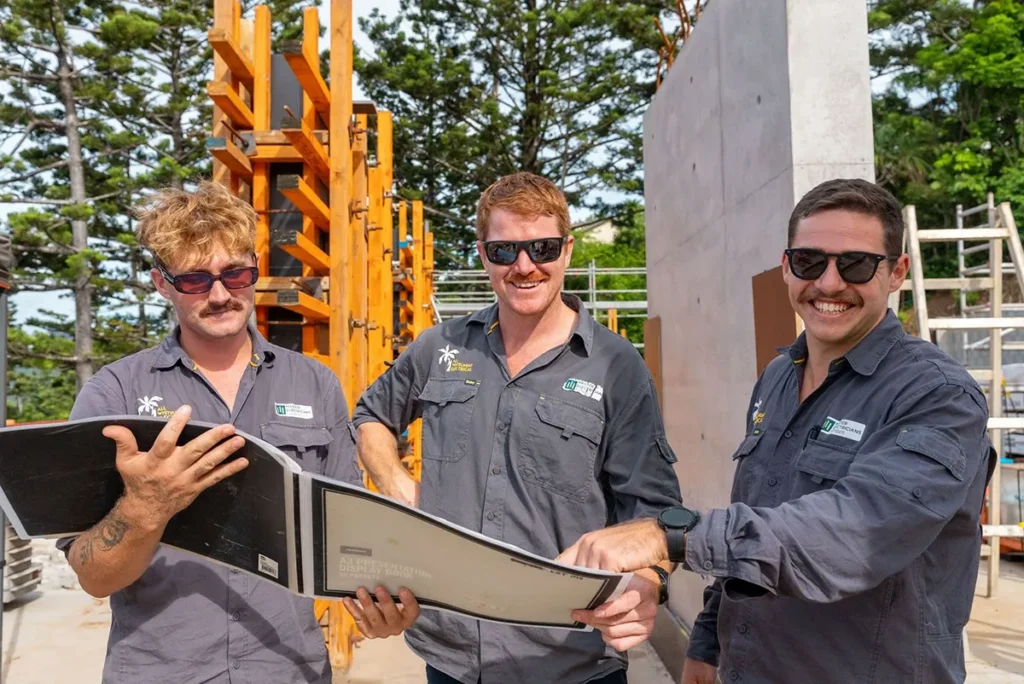
All Whitsunday Electrical is based in Cannonvale and services the full Whitsunday region, from Airlie Beach, Proserpine, Bowen, Cannonvale and the surrounding islands. As a full-service electrician, solar installation is part of a broader electrical capability that includes:
- Everyday electrical: Repairs, maintenance, and upgrades for homes and businesses
- New builds: Full electrical fit-out for new residential and commercial construction
- Solar and battery installs: Designed and installed by licensed electricians
- Safety inspections: Switchboard assessments, compliance checks, and pre-purchase inspections
We have completed significant projects across the region, including at Airlie Beach Hotel and on Hamilton Island. Our solar installations use tier-one components with strong warranties, and we’re happy to explain what those warranties actually cover before you commit to anything.
Frequently Asked Questions
Get a Free Solar Quote for Your Airlie Beach Property
We offer free, obligation-free solar quotes across the Whitsunday region. Tell us about your property and energy use, and we will give you an accurate price and a clear recommendation.
Learn more about our solar energy services or get in touch with the team today.