Smoke Alarm Laws in Queensland: What Homeowners Need to Know
Queensland’s smoke alarm laws require every home to have interconnected, photoelectric smoke alarms fitted in bedrooms, hallways connecting bedrooms, and on every storey. By 1 January 2027, this rule will apply to all remaining private homes in Queensland, including owner-occupied properties.
If you own and live in your home, this deadline affects you.
What Are the Smoke Alarm Laws in Queensland?
Queensland smoke alarm regulations set out the alarm type you need, and where it goes. Under the legislation, alarms must be:
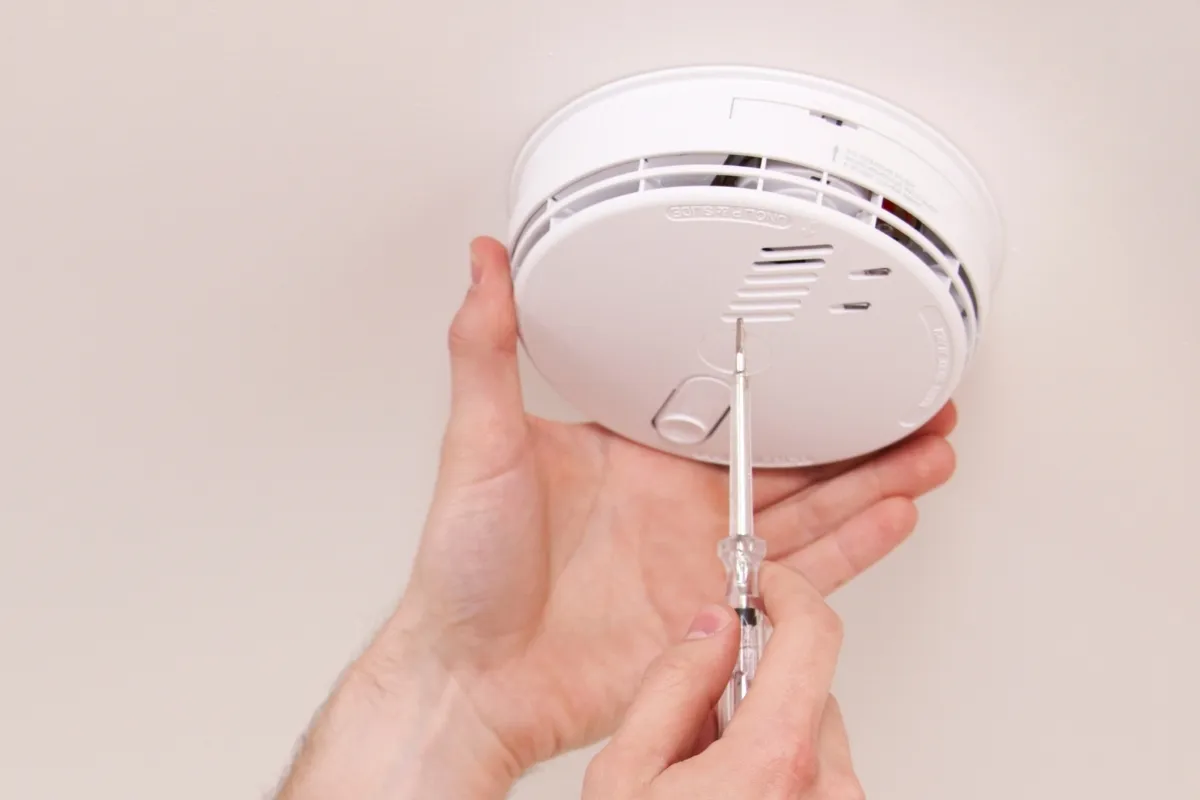
- Photoelectric. These detect smoke particles using light, and respond faster to smouldering fires than older ionisation alarms.
- Interconnected. When one alarm detects smoke, every alarm in the home sounds at the same time.
- Less than 10 years old. Alarms have a manufacture date printed on the unit and must be replaced once they pass this age, even if they still seem to work.
- Hardwired or fitted with a non-removable 10-year battery, so the alarm always has power.
If your alarms don’t say “photoelectric” on the unit, they don’t meet the standard, even if they pass a basic test.
Queensland has phased these requirements in since 2017, starting with new and substantially renovated homes. The final stage, covering all remaining private dwellings, lands on 1 January 2027.
Where Alarms Must Be Installed
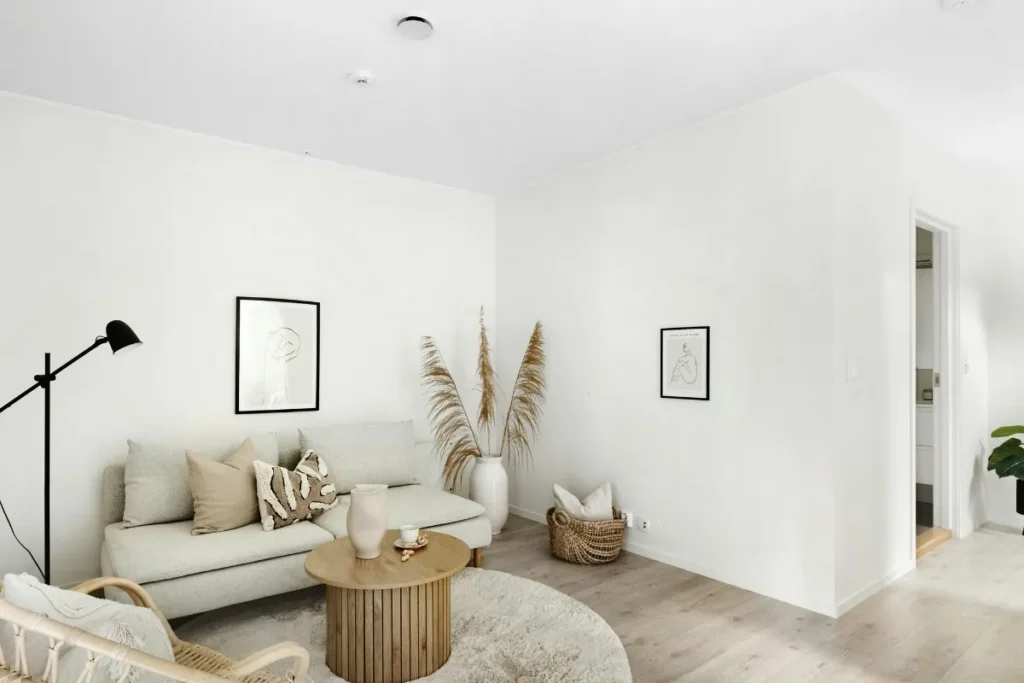
Under Queensland smoke alarm legislation, alarms are required:
- Inside every bedroom
- In hallways connecting bedrooms to the rest of the home
- On every storey, even without bedrooms on that level
- In the likely path to an exit, where there’s no hallway
A typical three-bedroom, single-storey home will usually need at least four interconnected alarms to meet these rules.
What “Interconnected” Means
Interconnected alarms are wired or linked together, so if one detects smoke, they all sound. Everyone in the home hears the alert straight away, not just the people nearest to the smoke.
Interconnection can be done through hardwiring or 10-year wireless alarms that communicate with each other. Older homes sometimes need extra circuit capacity for hardwired alarms, which is worth checking as part of a broader switchboard upgrade if your home hasn’t been rewired in some time.
Common Mistakes and How to Check Compliance
A few issues come up often:
- Assuming a working alarm is compliant. It can beep during testing and still fail the standard, usually because it’s ionisation, too old, or not interconnected.
- Missing the age limit. A 12-year-old alarm doesn’t meet the requirement, regardless of condition.
- Incomplete interconnection. Alarms fitted in every required room but not linked together don’t satisfy the legislation.
- Leaving it too late. Electrician bookings tend to fill up as the deadline approaches.
If you’re in the Whitsundays and want a professional assessment, our smoke alarm installation and compliance service covers the full process, from checking your current setup to fitting compliant interconnected alarms.
We’re a locally owned team with 8+ years of experience across the Whitsundays, so you’re working with electricians who know the region. Once your smoke alarms are installed, we provide certification confirming they meet Queensland’s new legislation.
FAQs
Getting Ready Before the Deadline
Queensland’s smoke alarm laws give every home the same standard of protection, whether it’s rented, sold, or owner-occupied. Checking your alarms now means you can plan the upgrade on your own timeline, rather than in a rush.
If you’re a homeowner in the Whitsundays, get in touch with All Whitsunday Electrical for a straightforward assessment.